

Mix & Match
“mix and match” refers to the practice of combining different fabrics of suitings and shirtings to create unique and versatile products. This concept can apply to both garment design and textile marketing strategies.
Mix and match strategies in the textile industry help drive creativity, personalization, and innovation, offering diverse and appealing options to both designers and consumers.
.
Benefits of Mix and Match
Creativity and Personalization
Versatility
Enhanced Appeal
Innovation
Cotton 100%
Cotton 100% refers to fabric made entirely from natural cotton fibers, without any synthetic or blended materials.
It is one of the most popular fabrics worldwide due to its many desirable qualities.
Polyester 100%
Polyester 100% refers to fabric made entirely from synthetic polyester fibers, which are derived from petroleum-based products. Polyester is one of the most widely used synthetic fabrics due to its durability and versatility.
Key Characteristics of 100% Polyester:
- Durability: Polyester is highly durable and resistant to wear, tear, and stretching, making it long-lasting.
- Wrinkle-Resistant: It resists wrinkles, so garments and fabrics maintain a neat appearance without the need for ironing.
- Moisture-Resistant: Polyester doesn’t absorb water easily, which makes it quick-drying and resistant to mildew and stains.
- Lightweight: It’s relatively lightweight, making it suitable for a wide range of clothing and applications.
- Retains Shape: Polyester holds its shape well, even after multiple washes, making it ideal for items that need to maintain structure.
- Colorfast: Polyester fabrics are resistant to fading and retain color well, even after repeated washing or exposure to sunlight.
Cotton Lycra
Cotton Lycra is a blend of natural cotton fibers and synthetic Lycra (also known as spandex or elastane). This combination creates a fabric that combines the comfort of cotton with the flexibility and stretch of Lycra.
Key Characteristics of Cotton Lycra:
- Comfort and Softness: Retains the soft, breathable feel of cotton, making it comfortable for extended wear.
- Stretch and Flexibility: Lycra adds stretch and elasticity to the fabric, allowing it to move with the body and maintain its shape. This makes it ideal for form-fitting clothing.
- Shape Retention: The addition of Lycra helps the fabric retain its shape and resist wrinkling, which is especially useful for garments that need to keep their structure.
- Durability: The blend enhances the durability of the fabric, making it resistant to wear and tear compared to 100% cotton.
- Breathability: Cotton provides breathability, while Lycra adds stretch without compromising on comfort.
Polyester Cotton Blended fabric
Key Characteristics:
- Durability: The polyester component enhances the fabric’s strength and resistance to wear, tear, and wrinkles, extending its lifespan.
- Comfort: The cotton in the blend provides softness and breathability, making the fabric comfortable to wear.
- Wrinkle Resistance: Polyester helps the fabric resist wrinkling, reducing the need for ironing and maintaining a neat appearance.
- Low Maintenance: The blend is easy to care for, requiring less frequent washing and drying compared to 100% cotton fabrics.
- Moisture Management: While not as absorbent as pure cotton, the blend manages moisture better than polyester alone, making it suitable for everyday wear.
Catonic Viscose Blended Fabric
Catonic Viscose Blended Fabric combines viscose fibers with other materials, often including cotton or polyester. The term “catonic” typically refers to a fabric that has been treated or processed to enhance certain properties.
While “catonic” is not a standard textile term, it might imply a specialized or enhanced version of viscose. Catonic viscose blended fabric offers a combination of softness, breathability, and elegant drape, making it suitable for a range of high-quality clothing and home textiles.


Key Characteristics of Catatonic viscose blended fabric
- Softness: Viscose is known for its smooth, soft texture, similar to silk, providing a luxurious feel.
- Breathability: The blend maintains good breathability, making it comfortable to wear in various climates.
- Drape: Viscose provides excellent drape and flow, giving garments a flattering, elegant appearance.
- Moisture Absorption: Viscose has good moisture-wicking properties, helping to keep the wearer dry and comfortable.
- Durability: The addition of other fibers (like polyester) can enhance the durability of the fabric, reducing wrinkling and wear over time.
Polyester viscose Blended fabric
Polyester Viscose Blended Fabric combines polyester and viscose fibers to create a versatile textile that balances the qualities of both materials. Polyester viscose blended fabric combines the strengths of both fibers, offering a practical solution for various applications where comfort, durability, and easy maintenance are valued.
Key Characteristics:
- Durability: Polyester adds strength and resistance to wear, tear, and wrinkles, enhancing the fabric’s longevity.
- Softness: Viscose contributes a smooth, soft texture similar to silk, making the fabric comfortable and pleasant to wear.
- Breathability: The blend retains some breathability, though it may not be as high as 100% cotton or pure viscose.
- Wrinkle Resistance: Polyester helps the fabric resist wrinkling, which reduces the need for ironing and maintains a crisp appearance.
- Moisture Management: Viscose helps in moisture absorption, while polyester helps in quicker drying, making the fabric suitable for various climates.
Ethnic Wear
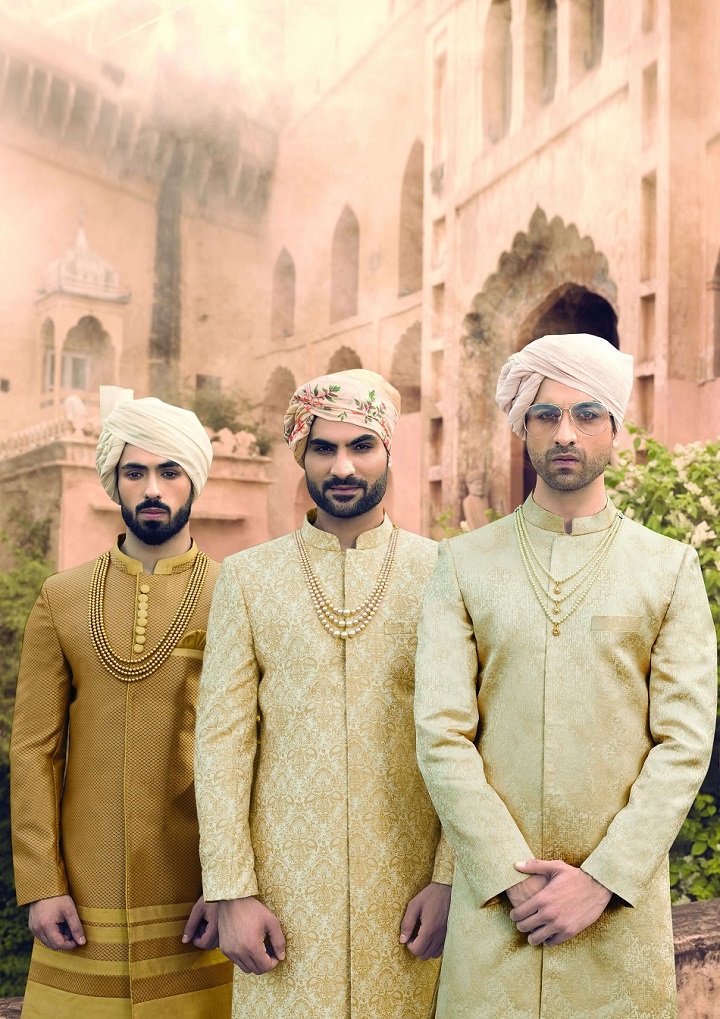
Ethnic wear refers to traditional clothing that reflects the cultural heritage and customs of a particular region or country. In the textile industry, ethnic wear is characterised by its distinctive styles, fabrics, and embellishments that often hold cultural and historical significance.
Key Characteristics:
- Cultural Significance: Ethnic wear embodies the traditional clothing styles of various cultures, such as saris from India, kimonos from Japan, or dashikis from West Africa.
- Fabric and Craftsmanship: Often made from high-quality textiles like silk, cotton, wool, or embroidered fabrics. The craftsmanship includes intricate embroidery, weaving, and embellishments like beads and sequins.
- Design Elements: Features traditional patterns, motifs, and silhouettes that reflect regional art and heritage. For example, intricate zari work in Indian saris or delicate silk embroidery in Chinese qipaos.
- Occasions: Typically worn during cultural, religious, or ceremonial events, such as weddings, festivals, and traditional celebrations.
- Versatility: Modern adaptations of ethnic wear incorporate contemporary styles and materials, blending tradition with current fashion trends.